

Learning to See in 35mm
I'm loving this camera.
Honestly, I’m not sure I could be happier with it.
Last week’s experiment taught me a few important lessons about what works… and what doesn’t.
The biggest one?
If the camera is in a bag, it might as well not even be with me.
If it’s zipped up and tucked away, it isn’t coming out.
And even if it does, it’s usually too late.
The moment is gone.
I missed a few opportunities this week because the camera was buried in a bag while it was raining or while I was moving between places.
Lesson learned.
The camera needs to live on my body — hanging from that rope strap and ready to shoot. Not tied to me exactly… but close enough.
Part of the hesitation was the weather.
I think the camera body is weather sealed, but I’m not completely sure about the 35mm f/1.8 lens. That made me a little cautious about letting it hang out in the rain.
But that’s probably the wrong priority.
Moments disappear much faster than cameras break.
Another thing I realized is that the camera needs to stay on.
Turning it on every time something interesting happened added just enough resistance to miss moments.
The good news is the batteries are strong enough that this really isn’t an issue.
I could probably leave the camera on all day and still be fine.
So the new rule is simple.
Camera on.
Camera ready.
Another thing I quickly noticed is how simple the camera feels to operate.
One-handed shooting is easy. The controls make sense.
After just a week I can already operate most of it without looking.
This was especially useful while walking the dog.
Leash in one hand.
Camera in the other.
Fully functional.
Exactly the kind of simplicity I was hoping for.
Interestingly, I didn’t take a crazy number of photos.
Maybe 150 total for the entire week.
Inside that small batch were a handful that I really liked.
And a lot that felt… kind of vanilla.
That’s when I realized something important about the 35mm lens.
It’s extremely close to how our eyes see the world.
When you use an ultra-wide lens, a telephoto lens, or a macro lens, the images are naturally interesting because they show perspectives we aren’t used to seeing.
Super wide.
Super compressed.
Extremely close.
Those perspectives surprise our brain.
But 35mm doesn’t do that.
It’s almost normal.
Which means you can’t rely on the lens to make the image interesting.
You have to do it yourself.
That realization sent me looking for inspiration.
As I studied photos I liked, I noticed a pattern.
The most interesting images usually had a very clear subject.
Something obvious.
Something dominant in the frame.
Then the rest of the image acted almost like a supporting character.
The background, the environment, the surrounding details — they weren’t the subject, but they helped tell the story of the subject.
Where it was.
What it was doing.
Why it mattered.
They gave the image context.
A simple way to think about it is this:
Subject = main character
Environment = supporting cast
And when those two things work together, the image starts to feel complete.
There’s a line I heard recently that stuck with me:
A good photo isn’t about capturing something beautiful.
It’s about capturing something specific inside something beautiful.
That idea really clicked for me.
It explains why some photos feel powerful while others just feel like scenery.
I captured a few images this week that started to move in that direction.
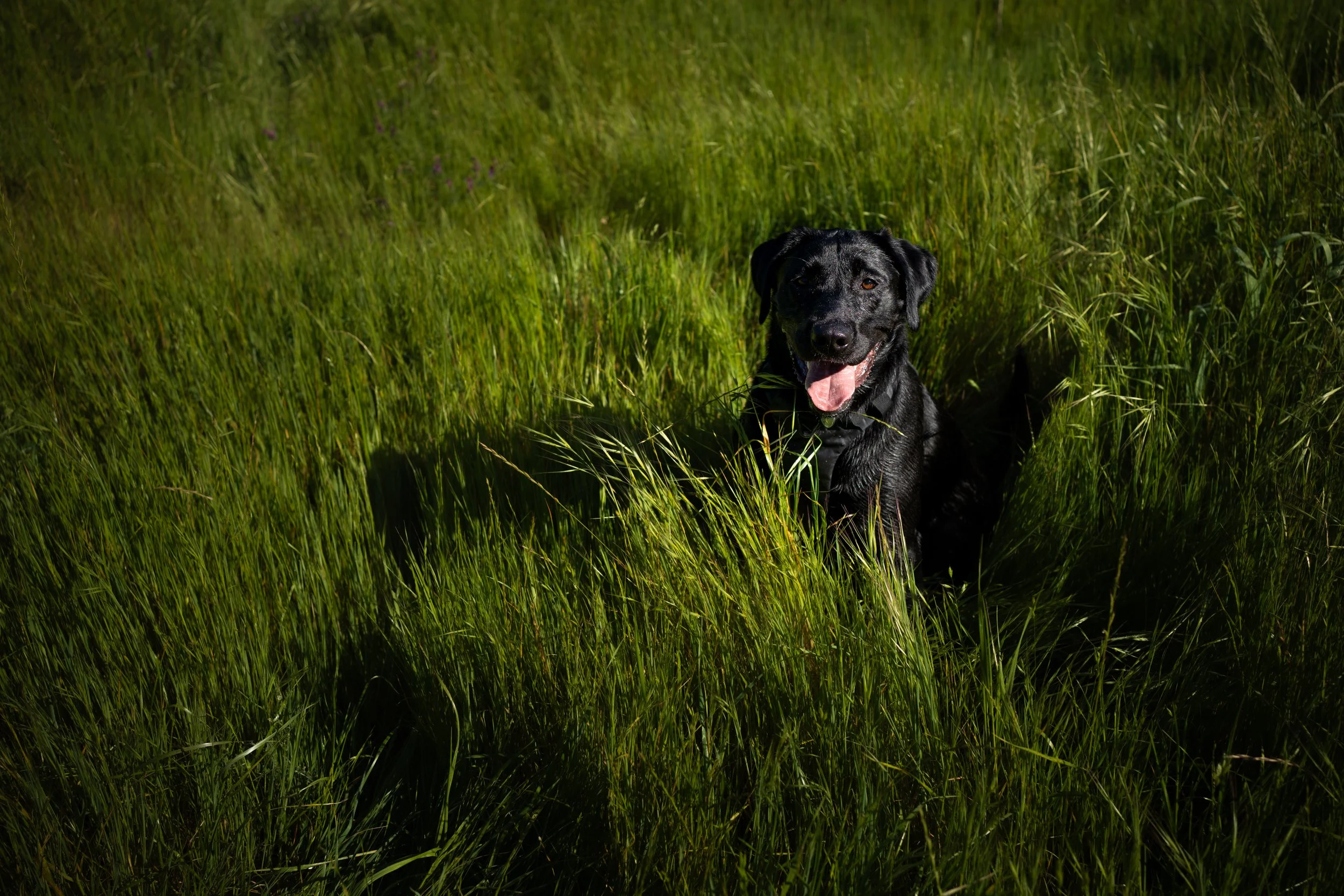
One morning my dog stopped in the middle of a huge open field and just sat there for a moment.
The light was hitting her perfectly.
I composed the shot to show the openness of the field around her — almost like she was sitting in the middle of her own little kingdom.
It told the story of the moment.
I also captured a few photos of my kids at a baseball game.
They were the clear subjects, but the field and the environment behind them helped tell the story of where they were and what they were doing.
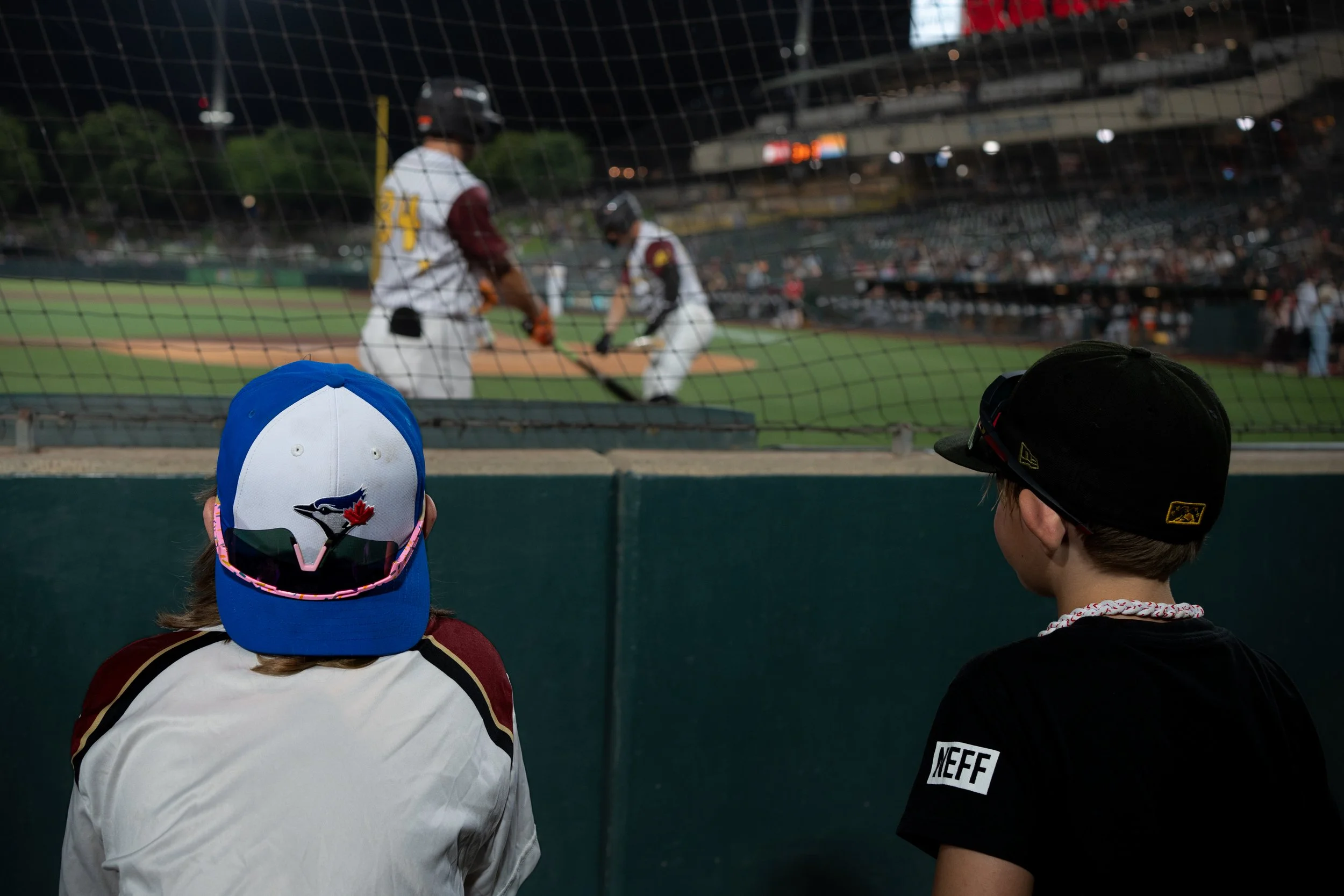

Those images worked.
But they almost felt like cheating because the subjects were so obvious.
There were other photos that didn’t work at all.
Some landscapes that looked beautiful to my eye but fell apart as photographs.
Something was missing.
There was scenery… but no subject.
There was a frame… but no story.
Specialty lenses sometimes act like a cheat code.
Ultra-wide, telephoto, macro — they bring built-in visual interest because they show the world in ways our eyes normally don’t.
But 35mm doesn’t hide anything.
There was another quote I came across recently that felt especially true:
“35mm photography will teach you how to be a photographer.”
I think I’m starting to understand why.
You can’t cheat.
Either the image works… or it doesn’t.
And there isn’t much middle ground.
So that leads to the next experiment.
I want to focus on 35mm composition.
Finding a clear subject, and framing the image in a way where the rest of the scene supports the story of that subject.
No zoom.
No lens tricks.
Just framing, movement, and observation.
This might take longer than a week.
It could stretch into several.
But that’s okay.
Because if I can learn how to consistently tell a story inside a 35mm frame, I have a feeling it will build a foundation for everything else I want to experiment with later.
So that’s the focus this week.
Find a subject.
Frame the image in a way that tells the full story of that subject.
Simple in theory.
Hard in practice.
And I’m excited to see where it leads.